THE CYCLE
Re-Invention


About us
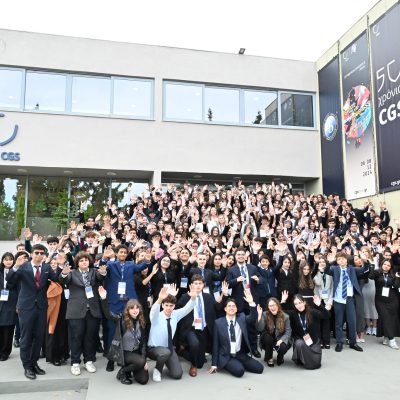
CGS MUN is a great tradition at our school and an integral part of its life! Having started out as a small-scale conference in 2006, the CGS MUN conference has grown in size and popularity, and has attracted schools and participants from all over Greece, as well as abroad.
A highlight in its history was in 2012, when, having fulfilled all THIMUN criteria and standards for a successful, international conference, CGS MUN joined The Hague International Model United Nations Foundation (THIMUN) family. The number of participants exceeds 600 people giving us the opportunity to host a multicultural conference, with schools and independent participants from more than 15 European and Middle-Eastern countries.
Our conference strives to become better each year and is honored to have welcomed esteemed Ambassadors from European, African or Asian countries, UN officials, and a wide range of experts, including university professors and important NGOs, as guests or key-note speakers. We place considerable emphasis on engaging the students actively and to explicitly connect our topics with the real world.
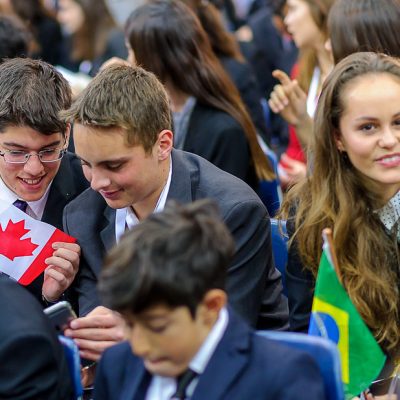

21st CGS MUN Conference
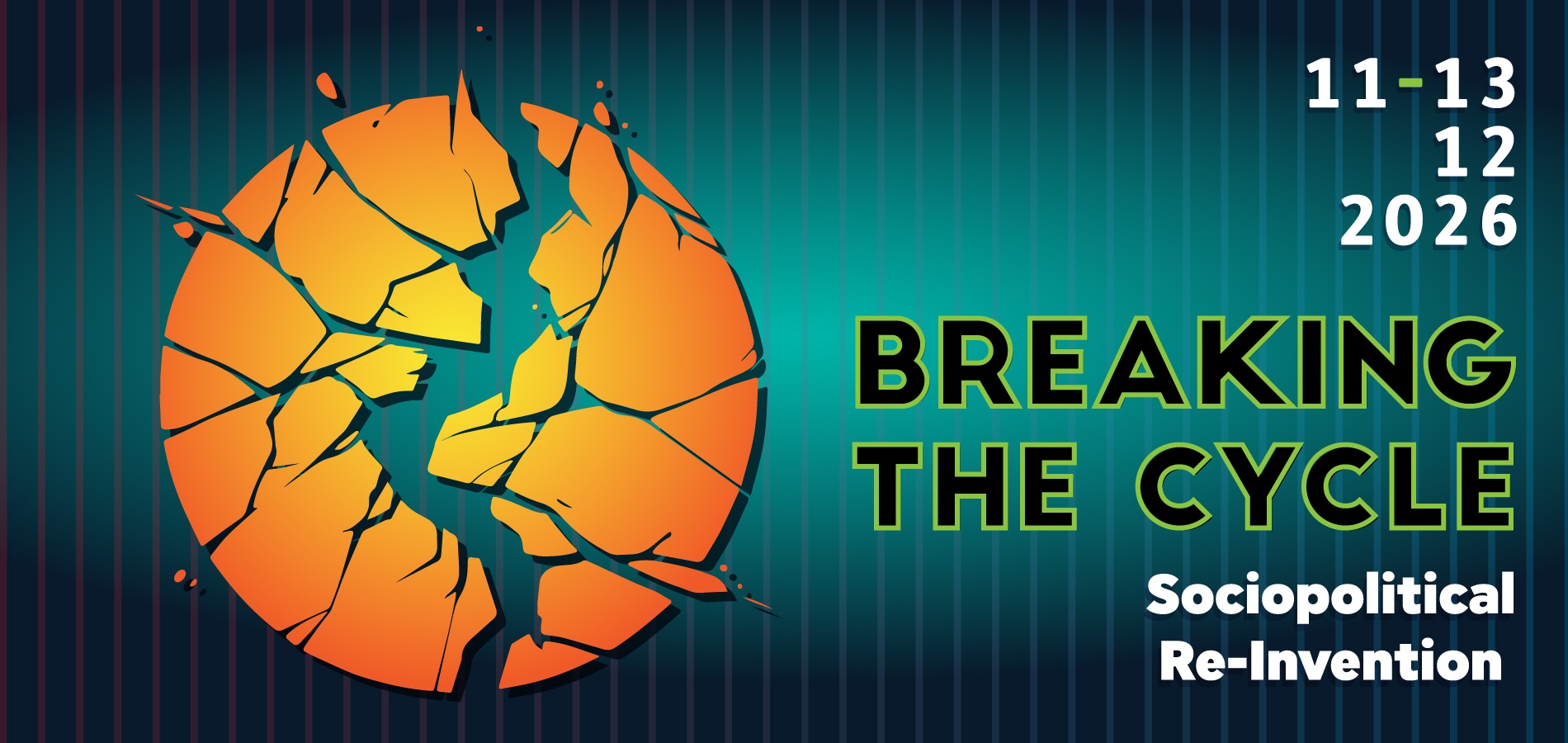
Topic: Breaking the Cycle: Sociopolitical Re-Invention
Date: 11th-13th Dec 2026
This year’s MUN theme, “Breaking the Cycle: Sociopolitical Re-Invention,” challenges delegates to confront the repeating patterns that prevent societies from progressing. Across the globe, nations often struggle with recurring issues such as political instability, social inequality, corruption, conflict, and public distrust in institutions. These cycles persist because they are rooted in longstanding structures, power dynamics, and unresolved historical grievances. Breaking them requires more than temporary fixes—it calls for deep, systemic change.
Sociopolitical reinvention means rethinking how societies are organized and governed. It encourages the reform of political institutions, the strengthening of accountability and transparency, and the creation of more inclusive systems that better reflect the needs of diverse populations. Delegates are urged to propose forward-looking, innovative solutions that address root causes rather than symptoms. By focusing on sustainable transformation, this theme invites participants to imagine how international cooperation and domestic reform can reshape governance and create more stable, just, and resilient societies for the future.